

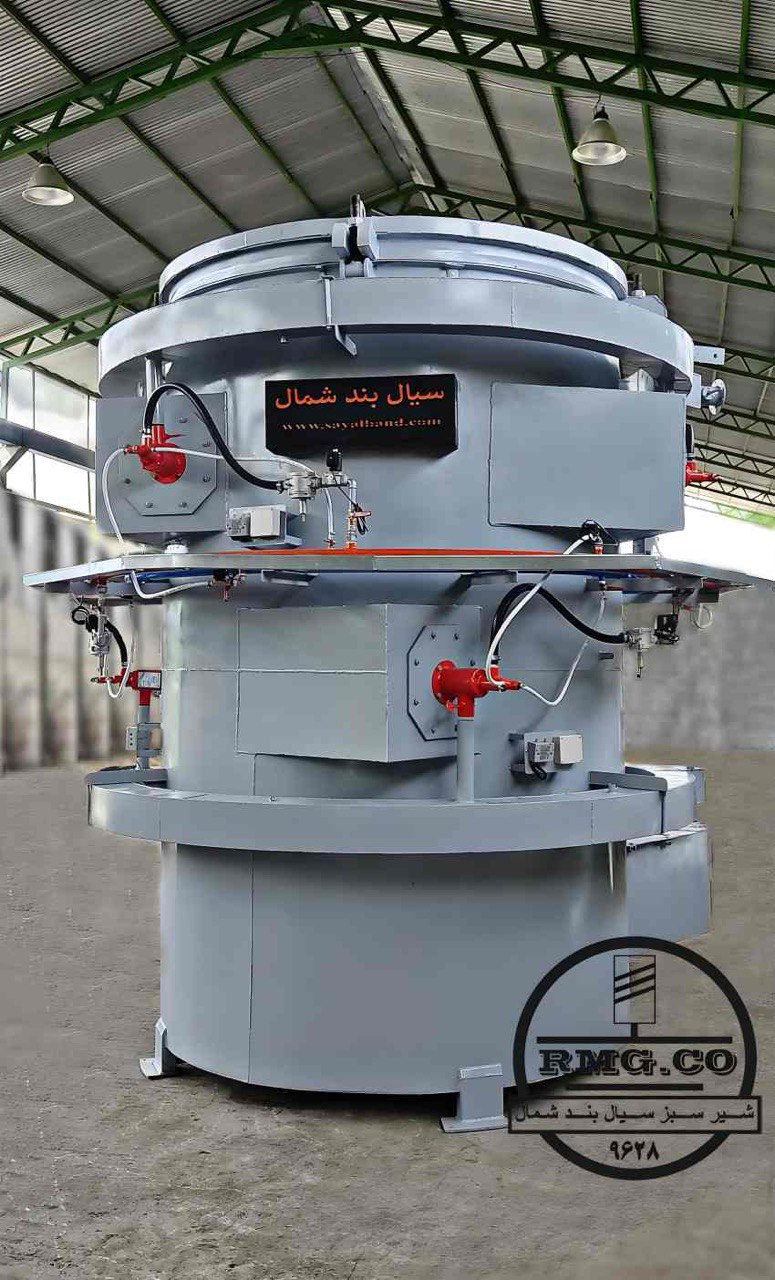
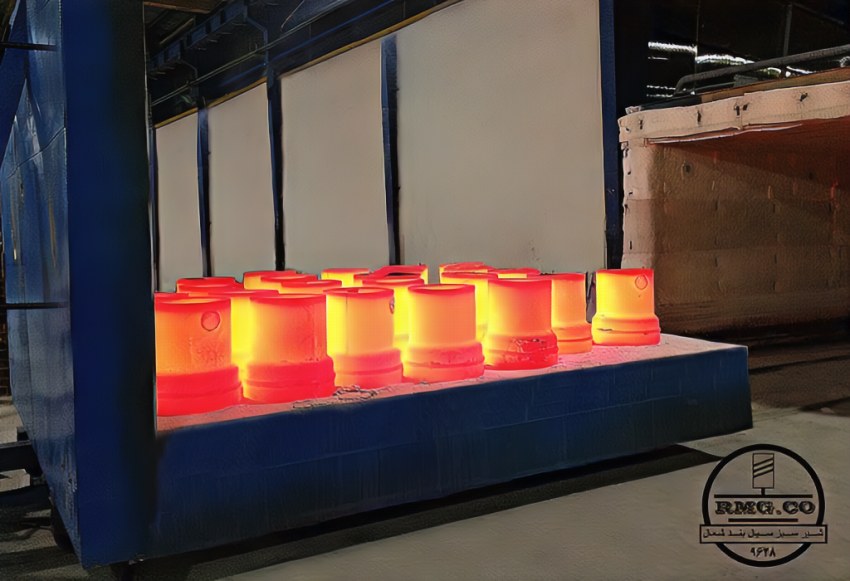
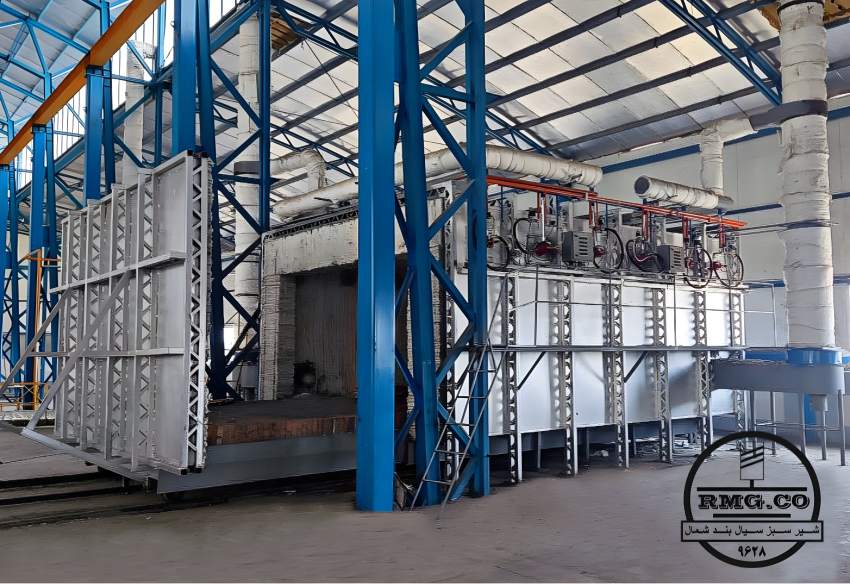
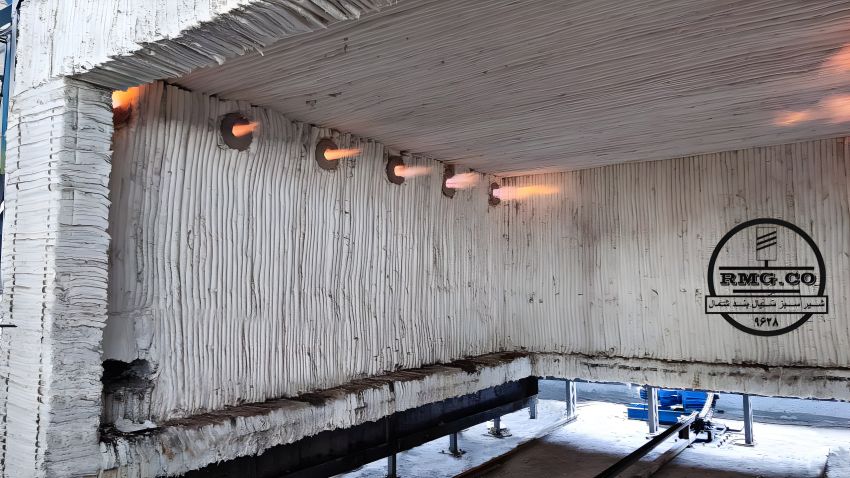

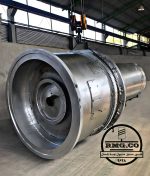


Heat Treatment Furnace
Heat Treatment Furnace
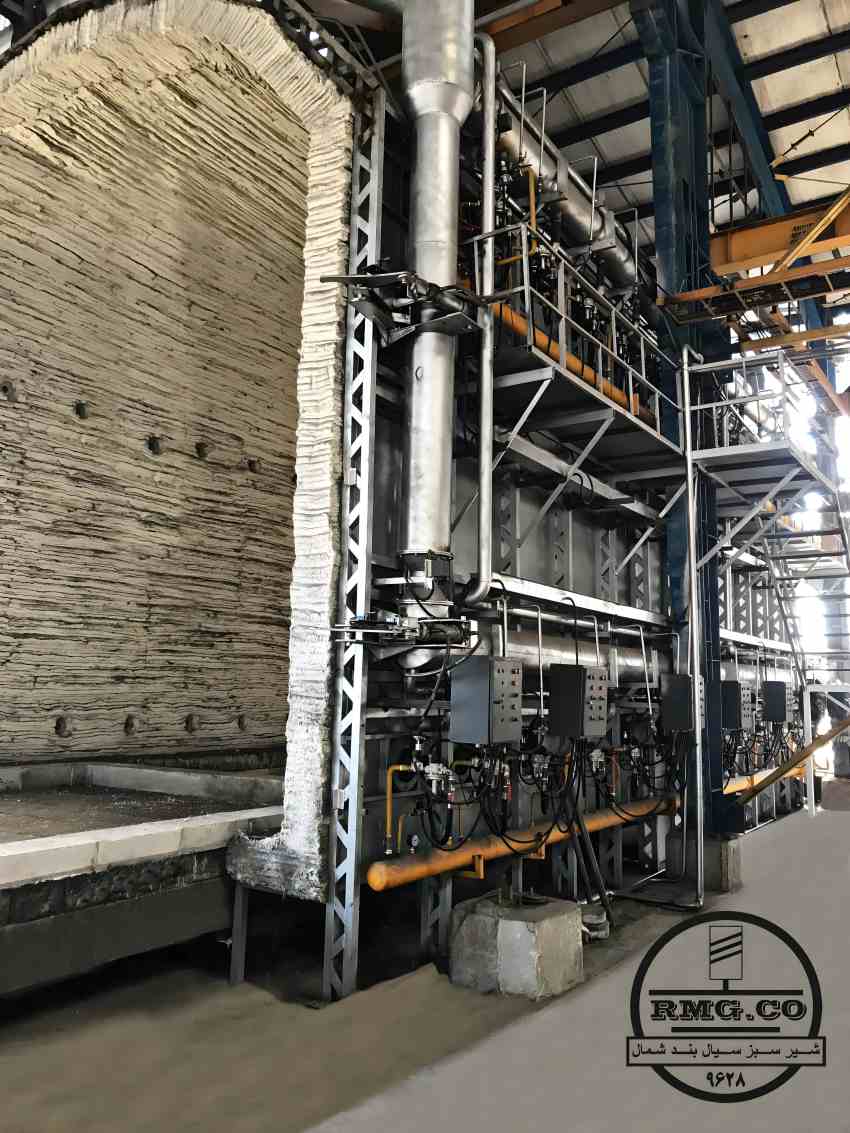
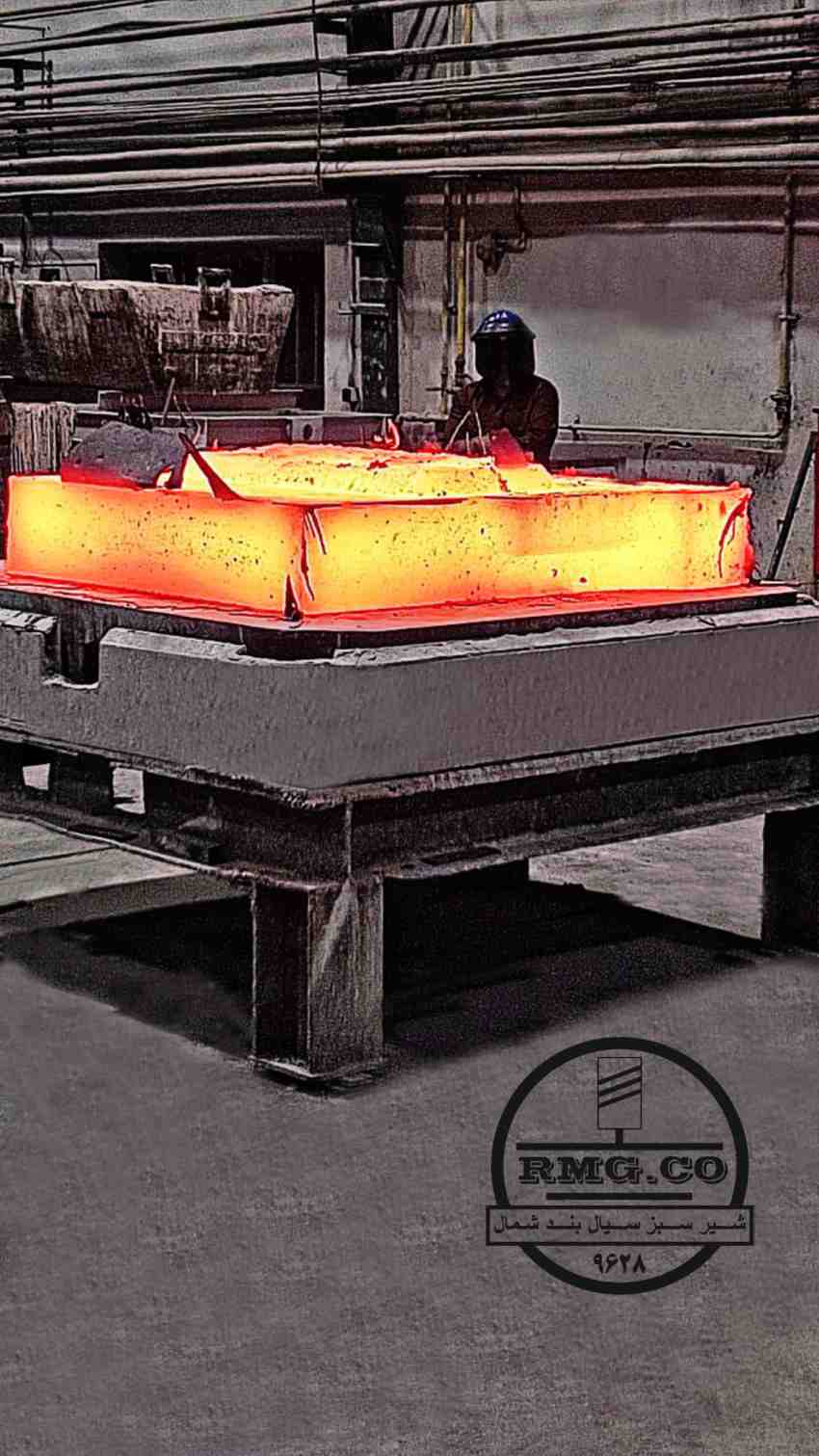
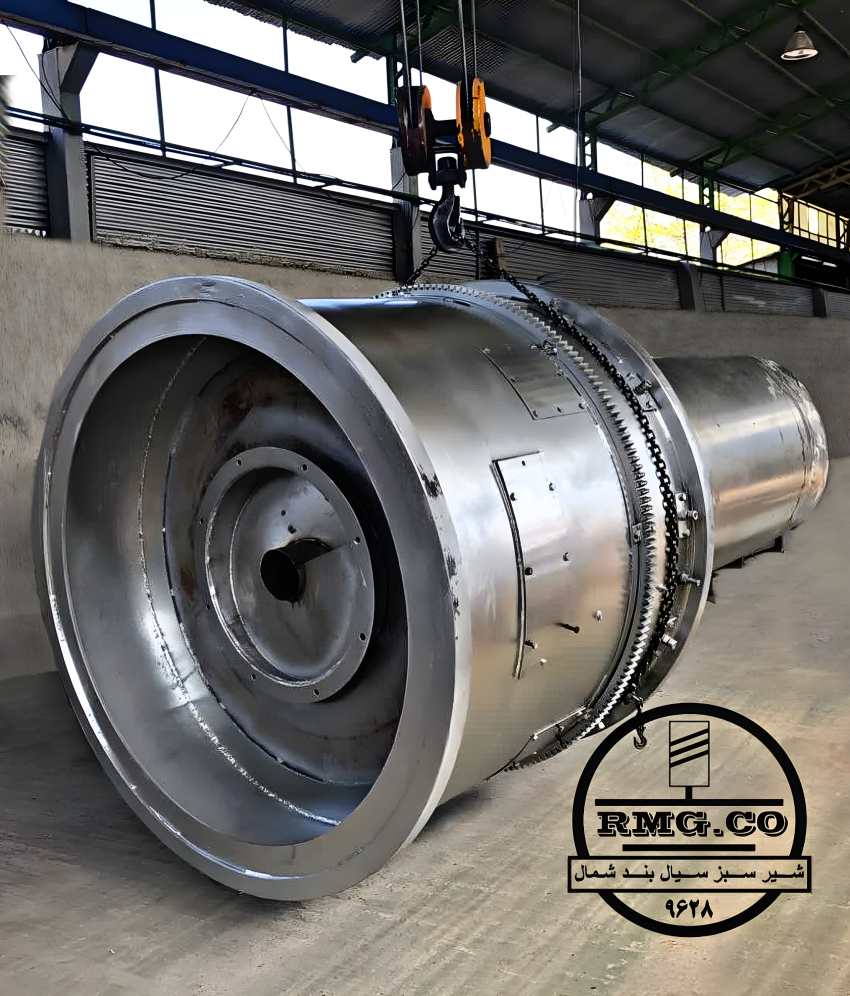
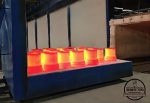
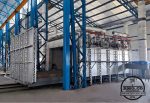
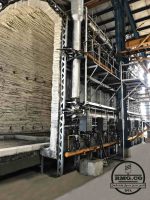
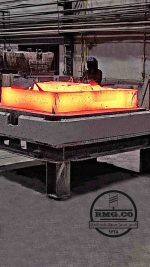
A heat treatment furnace is industrial equipment used to modify the mechanical and structural properties of metals and alloys. These modifications may include increasing hardness, improving toughness, relieving internal stresses, and enhancing ductility. Heating in these furnaces is carried out with precise control to achieve the desired metallurgical properties.
Types of Heat Treatment Furnaces
-
(Box Furnace
Simple and widely used, suitable for small to medium-sized components. -
Continuous Furnace
Designed for mass production and continuous processing. -
Induction Furnace
Provides rapid and precise heating using electromagnetic induction. -
Vacuum Furnace
Used for oxidation-sensitive alloys, preventing surface oxidation. -
Gas-Fired or Electric Furnace:
Classified based on the heating energy source.
Types of Heat Treatment Processes
Normalizing
Purpose: To refine grain structure and improve mechanical properties such as strength and toughness.
Process:
-
• Heat the metal to a specified temperature.
-
• Hold at temperature for a defined period.
-
• Cool in air.
Annealing
Purpose: To soften the metal, increase ductility, and reduce internal stresses.
Process:
-
• Heat below the melting point.
-
• Maintain at the required temperature.
-
• Slowly cool, usually inside the furnace.
Hardening
Purpose: To increase hardness and strength, especially in steels.
Process:
-
• Heat above the critical austenitizing temperature.
-
• Rapidly cool in water, oil, or air (quenching).
Tempering
Purpose: To reduce brittleness after hardening and improve toughness and structural stability.
Process:
-
• Reheat the hardened part to a lower temperature (150–650°C).
-
• Allow slow cooling
Stress Relieving
Purpose: To eliminate internal stresses caused by machining, welding, or cold working.
Process:
-
• Heat to a relatively low temperature (e.g., 500–650°C for steel).
-
• Hold at temperature and cool slowly.
Surface Hardening
Purpose: : To harden the surface while maintaining a tough core (hard exterior, ductile interior).
Methods:
-
Carburizing Adding carbon to the surface of low-carbon steel
-
Nitriding Diffusing nitrogen into the surface layer
-
• Induction Hardening: Localized electromagnetic heating followed by rapid quenching.





Reviews
There are no reviews yet.