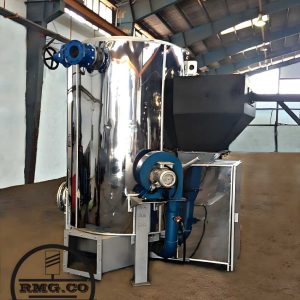

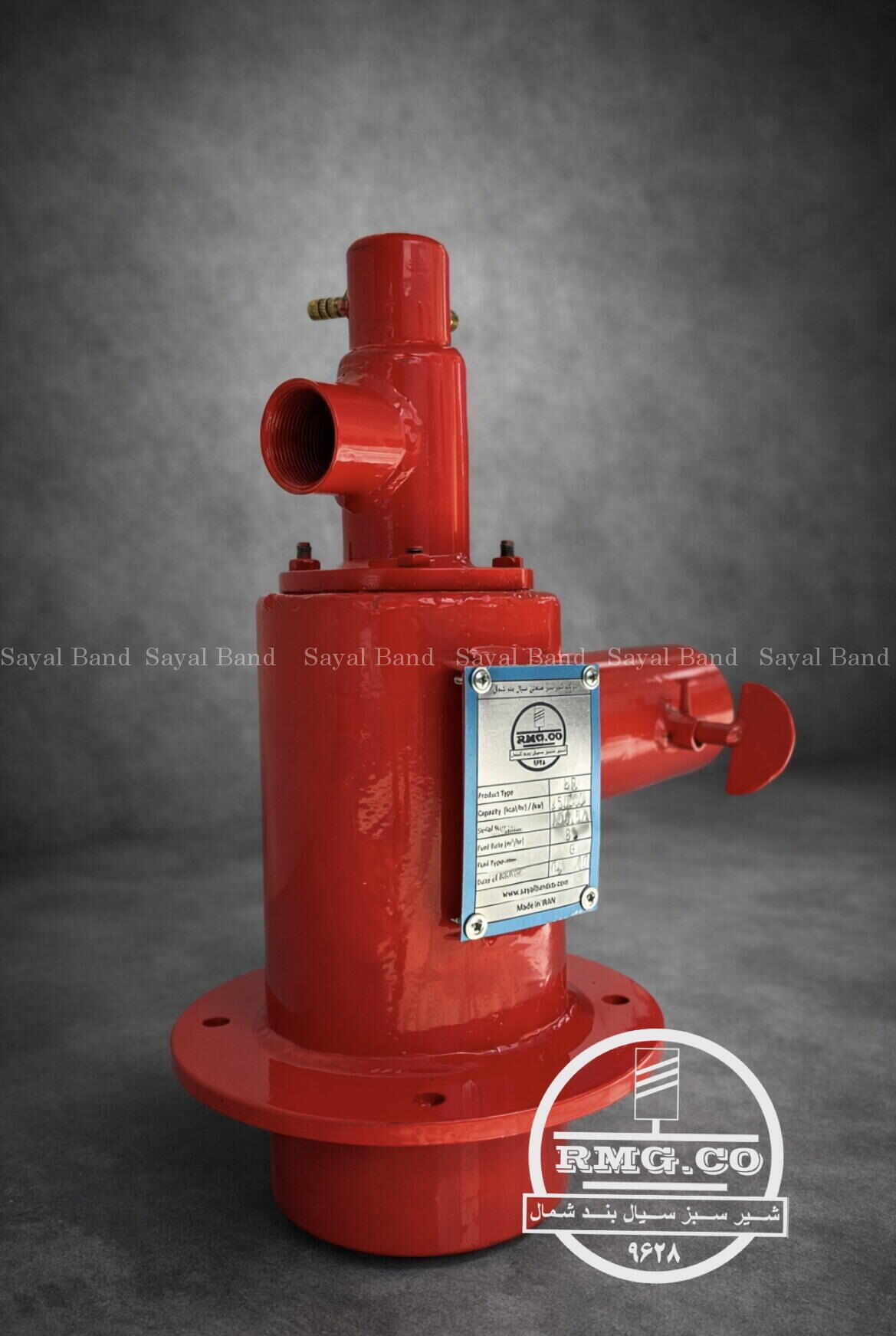
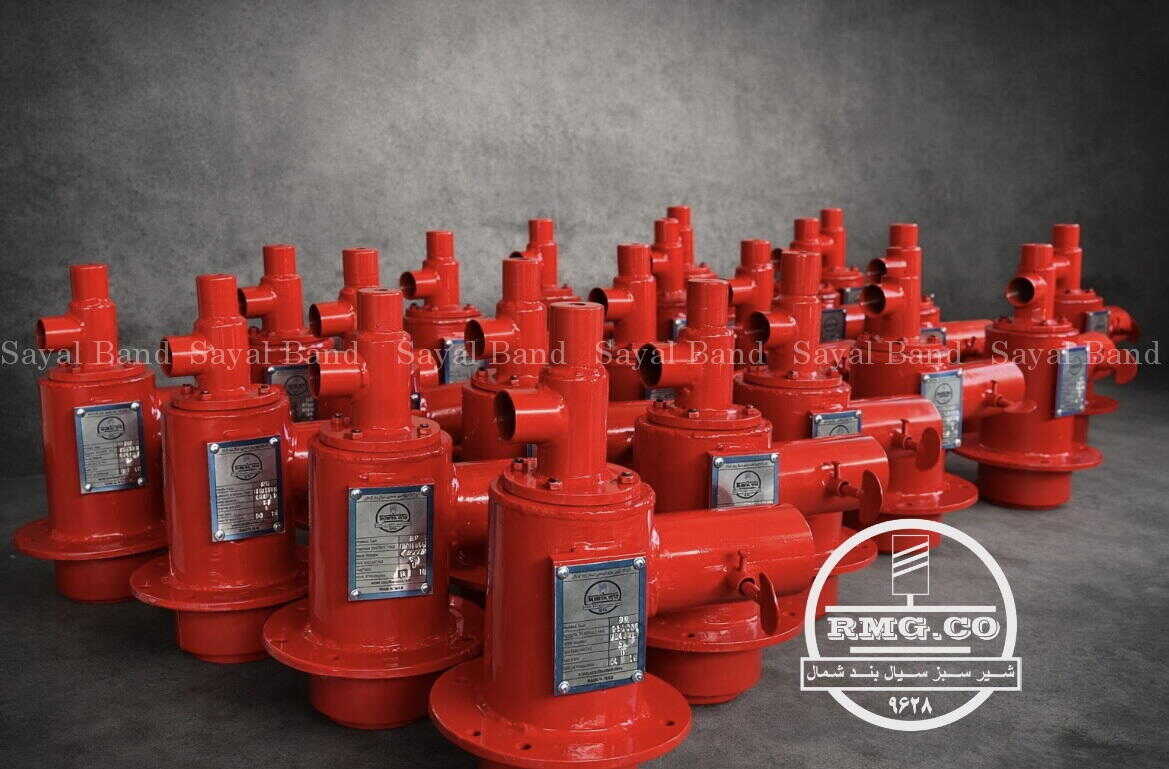
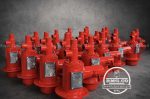


Industrial Burner
Industrial Burner
Industrial burners are the heart of heating and power generation systems in various industries. By converting the chemical energy of fuel into thermal energy, these equipment provide the heat and flame needed for boilers, steam boilers, furnaces and other industrial processes. Choosing the right burner not only increases thermal efficiency and energy savings, but also reduces pollutants and ensures system safety.
How an Industrial Burner Works
An industrial burner mixes fuel (solid, liquid, or gas) with oxygen in a controlled environment to produce combustion. This process involves three main components:
-
Fuel:Natural gas, diesel, heavy fuel oil (mazut), or a combination of these.
-
Oxygen:Supplied by ambient air or forced-air blowers.
-
Ignition Source:An initial spark that establishes a stable flame.
Precise control of the fuel-to-air ratio ensures a stable flame and high thermal efficiency.
Types of Industrial Burners by Fuel Type
1. Gas Burners
-
Fuel: Natural gas or city gas
-
Features: High efficiency, low emissions, easy control
-
Applications: Food industry, petrochemicals, power plants, boiler rooms, and industrial boilers
-
Key Components: Gas solenoid valve, air damper, ignition transformer, control relay, ionization rod
2. Diesel Burners
-
Fuel: Diesel
-
Features: Suitable for areas without natural gas supply, easy fuel storage, requires atomization system
-
Applications: Industrial furnaces, boilers, and heating systems in off-grid locations
3. Heavy Fuel Oil (Mazut) Burners
-
Fuel: Heavy fuel oil (mazut)
-
Features: High energy output, lower fuel cost, requires preheating to reduce viscosity
-
Applications: Refineries, power plants, cement factories, and heavy industries
4. Dual-Fuel and Multi-Fuel Burners
-
Features: Ability to operate on multiple fuel types, high flexibility, prevents production downtime, advanced control systems
-
Applications: Large and critical industries, refineries, and power plants
Key Factors When Selecting an Industrial Burner
-
• Available Fuel Type: Gas, diesel, heavy oil, or hybrid systems
-
• Thermal Capacity: Must match the boiler or furnace requirements precisely
-
• Flame Length and Diameter: Compatible with combustion chamber and fire-tube dimensions
-
• Fuel-to-Air Ratio Control: Essential for complete combustion and maximum efficiency
-
• Brand and After-Sales Support: Ensures spare parts availability and technical service
Advantages of Industrial Burners
-
• Improved overall thermal efficiency
-
• Reduced fuel consumption and operating costs
-
• Lower emissions and environmental impact
-
• Precise flame and temperature control
-
• High operational safety
-
• Flexibility in fuel selection
Applications of Industrial Burners
-
• Food and Pharmaceutical Industries:
-
• Refineries and petrochemical plants
-
• Power plants and industrial steam boilers
-
• Industrial and heat-treatment furnaces
-
• Large-scale heating systems and boiler rooms